Why You Keep Making The Same Money Mistakes
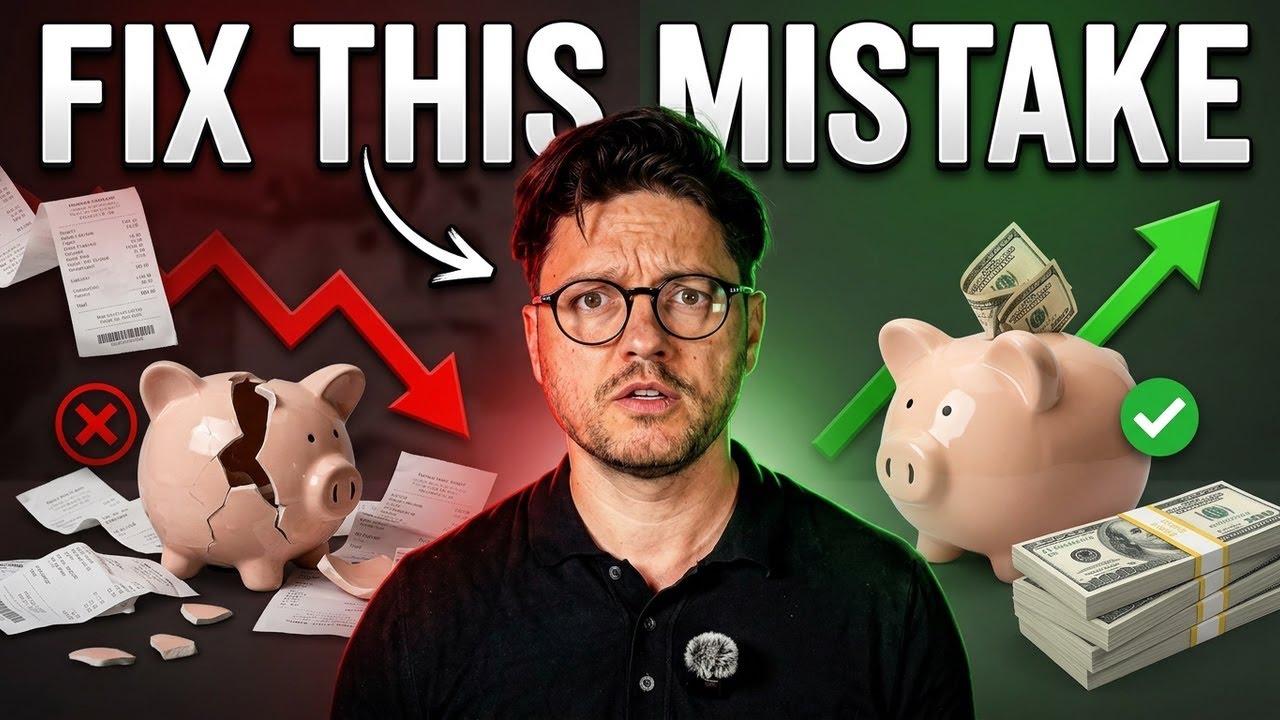
Two psychologists ran an experiment that won a Nobel Prize. What they discovered explains why people fail to build wealth more than any market crash ever could.
What you'll learn
- Why financial mistakes are often psychological
- How loss aversion changes money decisions
- Why systems can be more reliable than willpower
Why You Keep Making The Same Money Mistakes
The mistake is often the pattern
The expensive mistake is not always one dramatic decision. It can be a small decision repeated often enough.
Money is emotional
Fear, regret, impatience and social pressure can change what looks like a rational decision.
Waiting feels safer
Waiting for the perfect moment can feel responsible while quietly becoming a costly habit.
The J-curve of learning
Some financial improvements take time before the results become visible.
Build around your weaknesses
The goal is not perfect rationality. It is a system that reduces emotional decisions.
The Mistakes That Cost More Than Money
The deeper Mike Petry Journal essay connected to Episode 7, exploring the idea behind the episode from the perspective of money, behaviour and financial freedom.
Read the essay on Mike Petry Journal →What is Episode 7 about?
Two psychologists ran an experiment that won a Nobel Prize. What they discovered explains why people fail to build wealth more than any market crash ever could.
Why financial mistakes are often psychological
The expensive mistake is not always one dramatic decision. It can be a small decision repeated often enough.
How loss aversion changes money decisions
Fear, regret, impatience and social pressure can change what looks like a rational decision.
Educational and entertainment content only. This page is not financial advice. Do your own research or speak with a qualified professional before making financial decisions.